
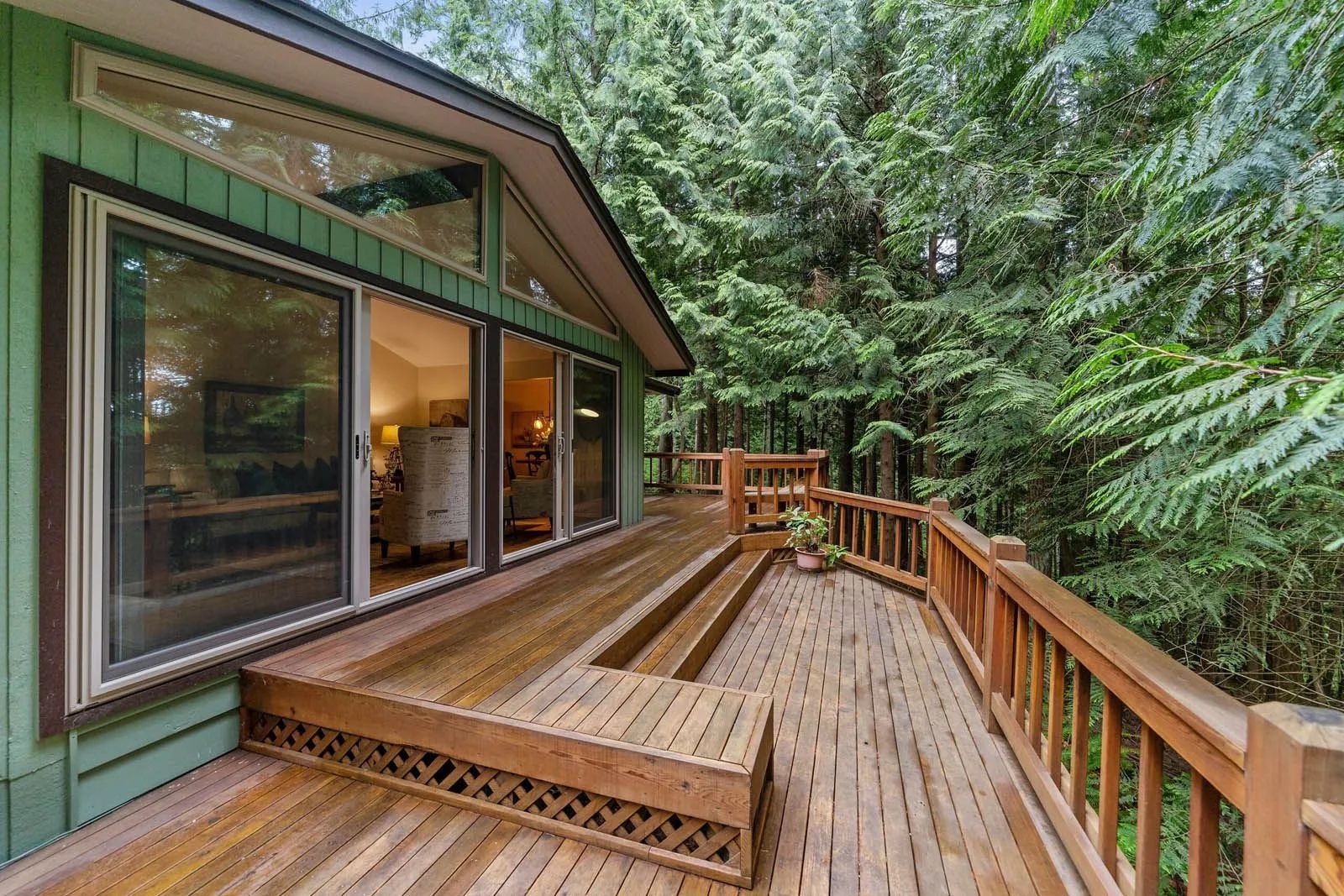
Outdoor wood structures live under constantly shifting conditions — sun, rain, humidity, and freeze-thaw cycles all push wood to expand, contract, absorb moisture, and slowly fail when it is left unprotected. Selecting the right paints and stains is not just a cosmetic decision; it is the single biggest factor in how long a deck, fence, pergola or porch will hold up.
Modern exterior coatings are formulated to resist UV breakdown, block water intrusion, and slow fungal growth. The performance you actually get, though, depends on matching the right product to the climate, preparing the surface correctly, and applying the right number of coats under the right conditions. This guide walks through what works and why.
1. Understanding Weather Impact on Outdoor Wood
UV Radiation and Surface Breakdown
Continuous sunlight breaks down lignin in wood, which is what causes graying, fading and surface fuzzing. UV also degrades the coatings themselves, which is why UV-resistant formulations are essential anywhere wood sees long hours of direct sun.
Moisture Absorption and Expansion
Rain and humidity cause wood fibers to swell and shrink. Without a sealed surface, repeated moisture cycles produce cracking, warping and mildew, and gradually weaken the structure from the inside out.
Temperature Fluctuations and Structural Stress
Seasonal swings move wood. A coating that cannot move with it will crack and peel, so flexibility — not just hardness — is a key property in any high-performance exterior paint or stain.
Real-World Impact
Decks in wet or sunny climates degrade fastest because moisture and UV stack on top of each other. In those conditions the coating system has to handle both at once, not just one.
2. Best Exterior Paints for Wood Protection
Acrylic Latex Paints
100% acrylic latex remains the workhorse exterior paint for wood. It flexes with seasonal movement, breathes well, and bonds reliably to properly primed surfaces — ideal for siding, fences and trim.
Oil-Based Paints
Oil-based formulations penetrate deeper and produce a harder shell with strong moisture resistance. They take longer to cure, are less forgiving in changing weather, and need more careful recoats than acrylics.
UV-Resistant Exterior Formulas
Many modern exterior paints include UV-blocking additives that slow color fade. In sunny, exposed locations these formulas hold their color noticeably longer than standard exterior paint.
Best Practices for Application
Adhesion lives or dies on prep. Clean the surface, sand back any failing coating, prime bare wood, and apply two thin coats rather than one heavy coat — thin coats level out and resist peeling far better.
3. Types of Wood Stains and How They Perform
Transparent Stains
Transparent stains show off the grain but offer minimal pigment, so UV protection is limited. They look beautiful on decorative wood but need frequent reapplication outside.
Semi-Transparent Stains
Semi-transparent stains give moderate color while still letting the grain read through. They are the standard choice for decks and pergolas in mixed-weather climates because they balance UV resistance with breathability.
Solid Stains
Solid stains behave a lot like paint but penetrate slightly into the wood. They give the heaviest weather protection of any stain and are the go-to product for restoring older, weathered fences and railings.
Oil-Based vs Water-Based Stains
Oil-based stains penetrate deeper and bring out richer grain. Water-based stains dry faster, clean up easier, and have far lower odor. Climate and recoat schedule usually drive the choice.
4. Matching Coating Types with Weather Conditions
Hot and Sunny Climates
Stick with UV-resistant acrylic paints and semi-solid stains. They keep their color and resist the surface drying that triggers cracking.
Cold and Snow-Prone Regions
Flexibility matters most where the wood goes through freeze-thaw cycles. Water-resistant acrylic paints and solid stains hold up best to the constant expansion and contraction.
Humid and Rainy Environments
Look for explicitly moisture- and mildew-resistant formulas. A well-sealed surface keeps water out of the fibers, which is what actually prevents rot.
Mixed Climate Zones (Wisconsin and the Midwest)
In a four-season climate, hybrid-performance coatings with UV resistance, flexibility and moisture protection give the most reliable year-round result.
5. Application Techniques for Long-Lasting Results
Surface Preparation and Cleaning
Power wash to remove dirt and mildew, scrape loose coating, then sand for adhesion. This step has the biggest single impact on how long the finish lasts.
Priming for Adhesion
Bare wood and tannin-rich species like cedar and redwood need a quality stain-blocking primer. Skipping primer is the most common reason exterior paint peels early.
Optimal Weather Conditions
Coatings cure best in mild temperatures with low humidity. Painting in extreme heat, cold or damp conditions weakens adhesion and shortens service life.
Layering for Maximum Protection
Two or three thin coats outperform one thick coat. Each layer needs to be fully cured before the next goes on.
6. Maintenance and Longevity
Routine Inspection and Cleaning
Walk the deck and fences once a season. Catching fading, peeling or mildew early lets you spot-treat instead of redoing the whole structure.
Reapplication Cycles
High-exposure surfaces typically need a recoat every 2–3 years; shaded structures last longer. A consistent schedule keeps protection ahead of damage.
Spot Repair
Address small cracks and chips as soon as they appear so moisture cannot work into the fibers and turn a touch-up into a full restoration.
Preventive Care
Keep wood dry, improve drainage, and avoid direct soil contact. These small details extend coating life more than people expect.
Trusted Exterior Painting in Madison, WI
Callapainter has spent 21+ years finishing decks, fences and exterior wood across Madison and Dane County. We match the coating system to the wood and the climate, prep meticulously, and apply for long-term durability — not just a fresh look on day one. Learn more about our decks and fences service and exterior painting, or request a free estimate.