
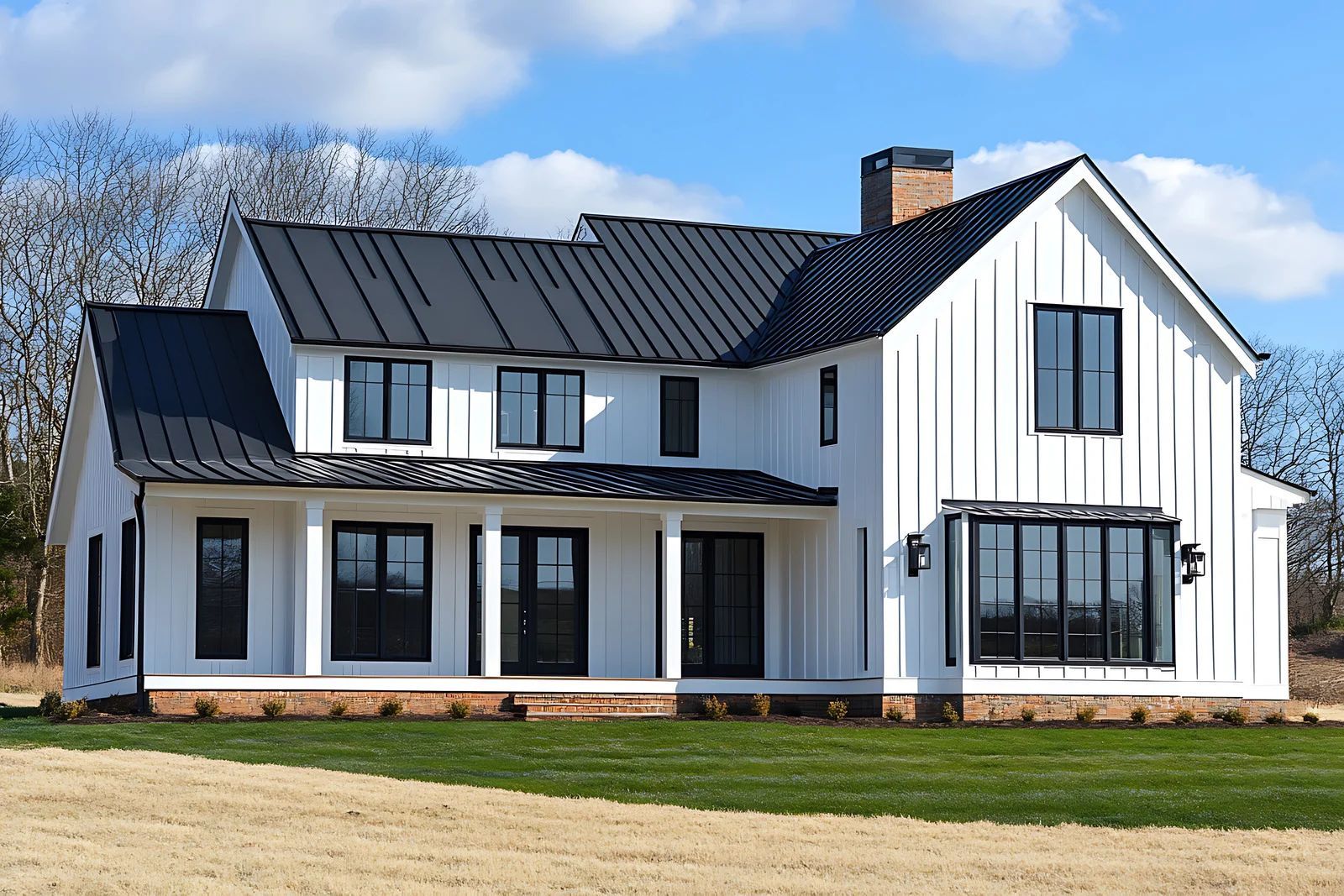
Plenty of Dane County ranches and split-levels from the 1960s through the 1980s feature red or orange brick that feels dated. Painting or limewashing it can completely transform the home. But masonry behaves differently from siding, especially in a freeze-thaw climate.
1. Brick Needs to Breathe
Brick and mortar absorb and release moisture. Standard acrylic house paint can trap that moisture. When it freezes, it can cause peeling paint and even damage the brick face (spalling). Product choice matters more on masonry than on any other surface.
2. Better Options for Masonry
Mineral (Silicate) Paints
Mineral paints bond chemically with masonry and stay vapor-permeable, so moisture can escape. They're highly durable and fade-resistant.
Limewash
Limewash creates a soft, aged look that lets some brick texture show through. It weathers gradually and can be refreshed over time.
Breathable Masonry Coatings
Some elastomeric and masonry-specific acrylics are designed for brick. The right choice depends on the condition of your walls.
3. Things to Consider First
Painting brick is essentially permanent. Mortar repairs should be done first, and gutters and drainage checked so water isn't pouring onto the walls.
4. Coordinating Colors
Painted brick pairs beautifully with dark windows and trim. Browse ideas in best exterior paint colors for Wisconsin homes.
5. Get Expert Advice
Our exterior painting team can assess your brick or stone and recommend the right system. Request a free estimate.