
Dane County sees dozens of freeze-thaw swings each year. Water gets into tiny gaps in paint, freezes, expands, and pushes the coating away from the wood. That's why exterior paint jobs that look great in August can be peeling by April.
1. Where Moisture Gets In
Open joints at trim corners, failed caulk around windows, bare wood exposed by scraping, and the bottoms of siding boards are the usual entry points. Once water is behind the paint, no topcoat can hold.
2. The Prep That Actually Matters
Scraping and Sanding
All loose paint has to go, and edges are feathered so the new coat sits flat.
Priming Bare Wood
Bare wood soaks up paint unevenly and lets moisture in. A quality primer seals it.
Caulking Joints
Flexible, paintable caulk seals the gaps where water would enter.
Repairing Rot
Soft or rotted wood is replaced or repaired — paint won't fix it.
3. Choosing Flexible Paint
High-quality 100% acrylic exterior paints stay flexible as wood expands and contracts with temperature swings. Timing matters too — read the best time to paint your house exterior in Wisconsin.
4. Decks and Fences Too
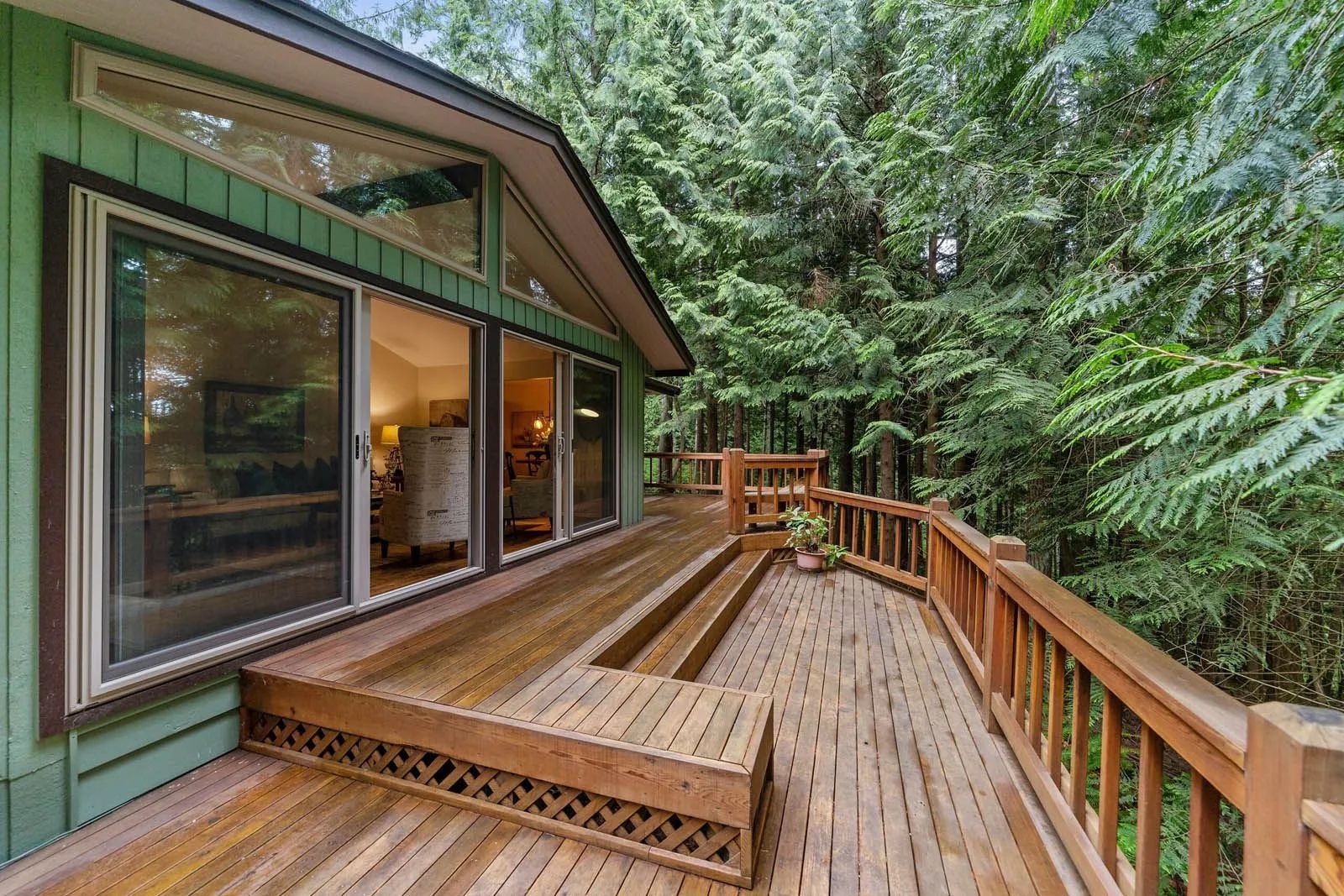
Horizontal surfaces get even more abuse. See how painting and staining extend the life of decks and fences.
5. Get It Done Right Once
Our exterior painting and painting services in Madison start with thorough prep. Request a free estimate.