
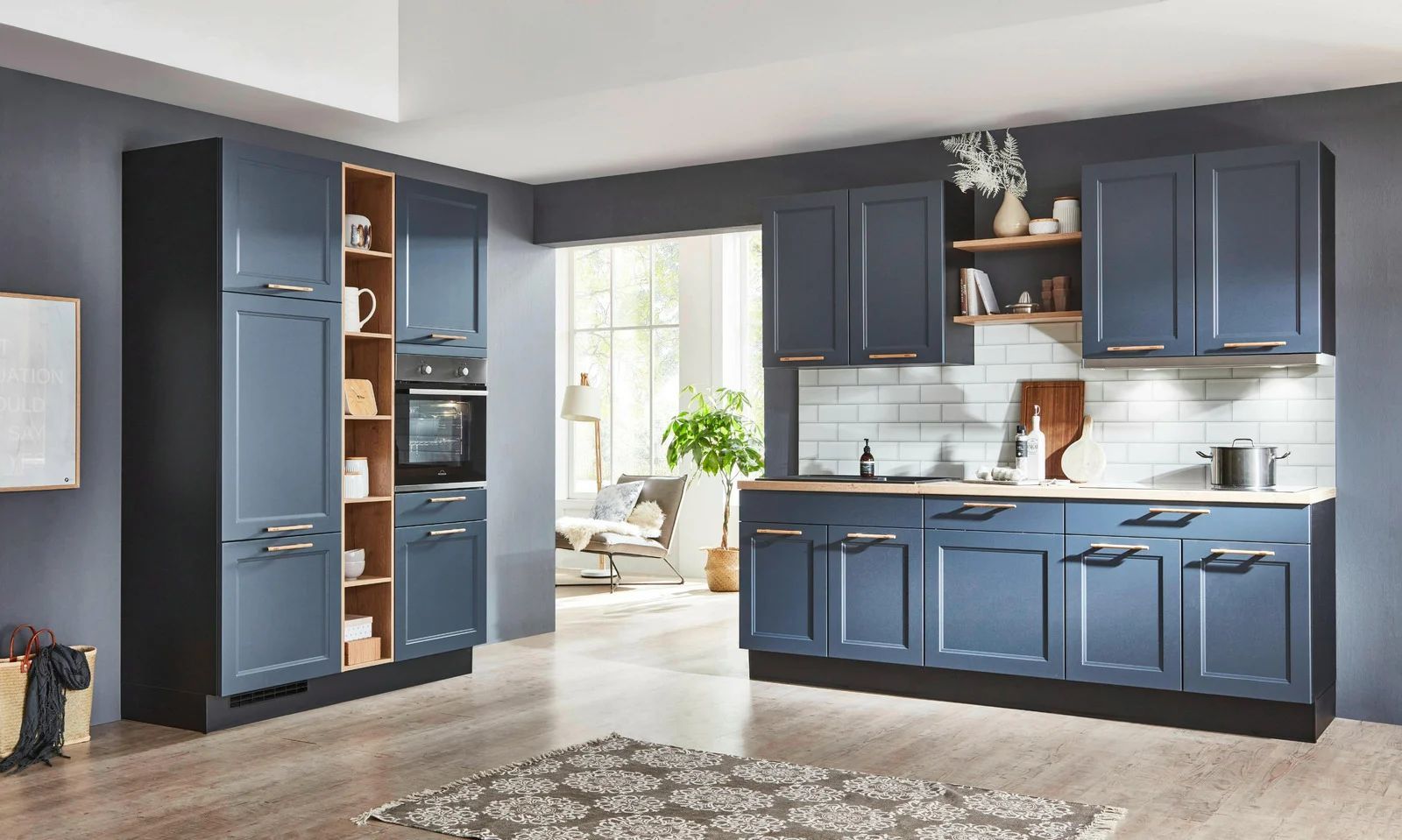
Cabinets are the visual and functional center of most kitchens and bathrooms. Over time daily wear, moisture and heat leave them scratched, faded or stained — and replacement is rarely the only answer. A professional refinish revitalizes the look, extends cabinet life, and costs a fraction of replacement when the boxes are still sound.
Refinishing is not a one-day job. It is a sequence of prep, repair, finish and protection steps, each of which has to be done right for the next one to hold. Here is what an actual professional cabinet refinish looks like, start to finish.
1. Assessment and Planning
Initial Inspection
The job starts with a careful look at the existing cabinetry — wood type, surface condition, any water damage, warping or loose joints. Specialized features like glass inserts or detailed moldings are noted because they need their own approach.
Choosing the Right Method
Based on the inspection, the team decides between stripping, sanding-and-staining, or full paint. Natural wood tones benefit from stain; modern, uniform color upgrades call for a sprayed enamel.
Budget and Timeline
Realistic scope, cost and timeline get set up front, including drying time between coats. Clear planning is what keeps the project moving and removes the surprises that frustrate homeowners.
2. Preparation and Surface Treatment
Removing Hardware and Doors
Every door, drawer front, knob, pull and hinge comes off and gets labeled. That is what allows an even finish on every face and clean reinstall later.
Cleaning and Degreasing
Kitchen cabinets carry years of grease and grime. A proper degreaser is what allows primer and paint to actually bond — skipping this step is the most common reason a cabinet refinish fails.
Sanding and Smoothing
Sanding breaks the existing finish, smooths rough spots and opens the surface so primer can grip. Doing it carefully (and at the right grit) prevents blotching and uneven texture later.
3. Repairing and Restoring Surfaces
Filling Cracks and Imperfections
Damaged spots are filled with high-quality wood filler, then sanded flush. Done well, the repairs are invisible under the new finish.
Reinforcing Structural Integrity
Loose joints and weakened panels are re-glued, clamped or refastened. Fixing structure before finishing keeps the cabinets functional, not just pretty.
Specialty Features
Glass panels are cleaned or replaced; carvings and moldings are lightly sanded and treated so the final finish matches across every detail.
4. Applying Primer, Stain or Paint
Selecting the Finish
Stain enhances grain on real wood; cabinet-grade paint or lacquer gives a uniform modern look. Either way, the products chosen are formulated specifically for cabinetry — they resist chipping, fading and moisture.
Priming for Adhesion
A bonding primer goes down whenever painting, especially when shifting from dark to light. It is what prevents peeling and gives the topcoat a smooth base.
Staining
Stain is brushed or wiped on in the direction of the grain, excess wiped back to prevent blotching. Multiple coats build the depth of color, with light sanding between.
Painting
Multiple thin coats of cabinet enamel beat one thick coat every time. Sprayed coats level out brush marks, and light sanding between layers keeps the surface glass-smooth.
5. Sealing and Protective Finishing
Clear Coat / Topcoat
A polyurethane or acrylic topcoat adds the durability cabinets need — resistance to moisture, heat and daily wear — and locks in the color.
Sanding Between Coats
Light sanding between topcoats removes any dust nibs or brush marks, leaving a finish that is smooth to the touch.
Curing and Drying
Cabinets need to cure, not just dry, before they go back into service. Returning doors to use too early is what causes premature chipping and finger marks.
6. Reassembly and Final Touches
Reinstalling Doors and Hardware
Labeled doors, drawers and hardware go back exactly where they came from, with proper alignment and even reveals.
Quality Inspection and Touch-Ups
A final walk-through catches anything inconsistent — a missed edge, a tiny nib — and corrects it on the spot.
Caring for Refinished Cabinets
Mild cleaners, no excess water, gentle handling — basic care keeps a professional refinish looking new for many years.
Cabinet Refinishing by Callapainter, Madison WI
Callapainter has refinished kitchens and baths across Madison for 21+ years. We handle each project from on-site assessment through final reinstall, and every cabinet door leaves looking factory-new. See our full cabinet refinishing service, check current cabinet painting costs in Madison, or browse 2026 cabinet color trends.